Virtual Fitness Challenges: 30-Day Ideas to Stay Motivated
Discover 30-day virtual fitness challenge ideas for walking, strength training, yoga, and daily movement. Learn how to stay motivated, track progress, and build healthier habits from home.

Virtual Fitness Challenges: 30-Day Ideas to Stay Motivated
Staying consistent with exercise can be difficult when work, family responsibilities, and everyday distractions compete for your time. A virtual fitness challenge can make the process more engaging by giving you a clear goal, a simple daily activity, and a way to track your progress from anywhere.
Whether you want to walk more, improve your strength, practise yoga, or establish a regular home workout routine, a 30-day challenge can provide structure without requiring an expensive gym membership.
You can participate individually, join an online community, or organise a challenge with friends, colleagues, or family members. The best approach is one that fits your current fitness level and makes movement easier to maintain.
In this guide, you'll discover 30-day virtual fitness challenge ideas, learn how to organise an online challenge, explore ways to stay motivated, and find practical tips for tracking your progress safely.
All Tools
What Are Virtual Fitness Challenges?
Virtual fitness challenges are organised activities in which participants work toward a shared or individual fitness goal using online tools, mobile apps, video calls, wearable devices, or digital tracking systems.
Participants do not need to be in the same physical location. One person might complete a walking goal in Ahmedabad, another might exercise at home in Mumbai, and a third might join from a different country.
Everyone can record their progress online and encourage one another throughout the challenge.
Virtual fitness challenges can focus on many types of movement, including:
- All Tools
- BMI calculator
- Calorie calculator
- Macro calculator
- Body fat calculator
- One rep max calculator
- Walking or running
- Bodyweight strength exercises
- Yoga and stretching
- Cycling
- Daily movement breaks
- Mobility exercises
- Beginner-friendly home workouts
- Consistent exercise habits
Some challenges involve completing a specific activity every day. Others use weekly targets, cumulative steps, workout minutes, or personal milestones.
For example, a 30-day walking challenge might encourage participants to take a comfortable daily walk, while a strength challenge might involve completing two or three short workouts each week.
The goal is not necessarily to exercise intensely every day. A successful challenge can focus on consistency, gradual progress, and activities that participants can realistically maintain.
Why Are Virtual Fitness Challenges Popular?
Virtual challenges combine goal-setting with the convenience of exercising wherever you are.
They can make it easier to begin a routine, especially when participants have a clear target and a way to monitor their progress.
1. You Can Participate From Almost Anywhere
One of the biggest advantages of a virtual fitness challenge is flexibility.
You can complete your activity at home, in a park, at a gym, or while travelling, depending on the challenge.
For example, a walking challenge can fit into a lunch break, while a short bodyweight workout can be completed at home without specialist equipment.
This flexibility can make exercise easier to fit around work schedules, studies, family responsibilities, and other commitments.
2. Clear Goals Make It Easier to Get Started
A vague goal such as "I want to get fitter" can be difficult to turn into a daily routine.
A specific challenge gives you something measurable to work toward.
Instead of simply planning to exercise more, you might decide to:
- Walk for 15 minutes on most days.
- Complete two beginner strength sessions each week.
- 14 Day Kickstart
- HIIT Fat Burn
- Practise yoga for 10 minutes three times a week.
- Take a movement break during long periods of sitting.
Clear goals help you decide what to do next and make it easier to recognise your progress.
3. Progress Tracking Can Support Motivation
Recording completed activities allows you to see how consistently you are following your plan.
You might use a calendar, spreadsheet, fitness app, smartwatch, or simple checklist.
For example, marking each completed walk on a calendar provides a visible record of your effort.
Tracking can also help you identify patterns. You may discover that you exercise more consistently in the morning, during your lunch break, or when you schedule workouts with a friend.
Remember that tracking is a tool, not a test. Missing a day does not mean your entire challenge has failed.
4. Social Support Can Make Exercise More Enjoyable
Many virtual fitness challenges involve friends, family members, colleagues, or online communities.
Participants can share progress updates, celebrate milestones, and encourage each other when motivation drops.
You could create a group chat for a 30-day walking challenge or organise a weekly virtual check-in with colleagues.
Friendly accountability may help participants stay engaged, particularly when the group celebrates consistency rather than comparing fitness levels.
5. Challenges Can Encourage Healthy Habits
A well-designed challenge can help you practise behaviours that fit into everyday life.
For example, a daily walking challenge may encourage you to take a short walk after lunch. A mobility challenge may remind you to take breaks from prolonged sitting.
Over time, these repeated actions may become easier to maintain.
However, completing a 30-day challenge does not automatically guarantee a permanent habit. Continuing with a manageable routine after the challenge ends is an important part of long-term progress.
6. You Can Choose a Challenge That Matches Your Ability
Virtual fitness challenges do not need to involve advanced exercises or demanding daily targets.
Beginners can choose simple activities such as comfortable walking, gentle stretching, or short bodyweight sessions.
More experienced participants can select challenges that focus on endurance, strength, flexibility, or consistency.
The most useful challenge is one that offers an appropriate level of difficulty without encouraging participants to ignore pain, fatigue, or recovery needs.
Who Can Join a Virtual Fitness Challenge?
Virtual fitness challenges can suit a wide range of people, provided the activities and goals are appropriate for their abilities.
Beginners
Beginners may benefit from challenges that focus on establishing a routine rather than achieving ambitious performance targets.
Examples include walking for a few minutes each day, practising gentle mobility exercises, or completing short beginner workouts several times per week.
Busy Professionals
People with demanding schedules can choose short activities that fit around work.
A 10-minute movement break, a short evening walk, or a brief home workout may be easier to maintain than a lengthy daily exercise session.
Friends and Families
Groups can use virtual challenges to encourage one another and make physical activity more social.
Participants can select individual targets while sharing a common theme, such as walking more frequently or completing regular movement breaks.
Workplace Teams
Employers and colleagues can organise voluntary challenges focused on movement, participation, and general wellbeing.
For example, a team might track walking minutes or encourage employees to take regular activity breaks.
Workplace challenges should be inclusive. Avoid making participation compulsory or publicly comparing employees' health information, body weight, or fitness performance.
Experienced Fitness Enthusiasts
People who already exercise regularly can choose more structured challenges, such as consistent strength training, cycling, running, or mobility practice.
They should still account for recovery and avoid adding excessive training volume simply to meet a daily target.
How to Choose the Right 30-Day Fitness Challenge
Before choosing a challenge, consider your current activity level, schedule, interests, and the type of progress you want to make.
A challenge should give you direction without becoming another source of stress.
Step 1: Decide What You Want to Improve
Start by choosing one main goal.
For example:
- Consistency: Exercise regularly throughout the month.
- Cardiovascular fitness: Walk, cycle, or perform another suitable aerobic activity.
- Strength: Follow a beginner-friendly resistance-training routine.
- Flexibility and mobility: Practise suitable stretching or mobility exercises.
- Daily movement: Add more movement breaks to your day.
- Social motivation: Participate with friends or colleagues.
Choosing one primary goal makes it easier to select appropriate activities and measure progress.
Step 2: Be Realistic About Your Schedule
Think about how much time you can comfortably set aside.
If you have a busy schedule, a 10-minute activity may be more realistic than a 45-minute workout every day.
You can also schedule longer sessions on less busy days and shorter activities on demanding days.
The aim is to create a plan that works with your routine rather than relying entirely on motivation.
Step 3: Select a Suitable Difficulty Level
Choose an activity that feels manageable but still gives you a clear target.
If you are new to exercise, avoid starting with high-volume workouts, intense daily exercise, or advanced movements that you have not learned to perform correctly.
You can make the challenge more demanding later if your body adapts comfortably.
Step 4: Choose a Simple Tracking Method
You do not need a paid app or wearable device to participate.
A notebook, spreadsheet, calendar, or group message can be enough to record completed activities.
Choose a tracking method that is easy to use and does not take more time than the workout itself.
Step 5: Decide How You Will Celebrate Progress
Rewards can make a challenge more enjoyable, provided they encourage healthy behaviours rather than punishment or excessive competition.
You might celebrate by completing a favourite outdoor activity, sharing a milestone with your group, or buying an affordable item that supports your routine.
You can also celebrate non-physical achievements, such as completing your first week consistently or finding a workout schedule that fits your life.
Key Takeaway
Virtual fitness challenges provide a flexible way to set exercise goals, track progress, and connect with others.
You do not need expensive equipment, a gym membership, or an intense workout plan to participate. A simple challenge built around walking, mobility, strength, or regular movement can be a useful starting point.
Choose a goal that fits your current fitness and schedule, make progress easy to track, and treat consistency as more important than perfection.
30-Day Virtual Fitness Challenge Ideas to Try
The best virtual fitness challenges are simple enough to follow consistently and flexible enough to fit your lifestyle. You do not need a gym membership, expensive equipment, or hours of free time. Many challenges can be completed at home, outdoors, or while travelling.
Here are eight 30-day virtual fitness challenge ideas to help you build a routine, stay accountable, and make daily movement more enjoyable.
1. 30-Day Walking Challenge
A walking challenge is an excellent starting point for beginners and people returning to exercise after a break. It is easy to adapt to different fitness levels and requires little or no equipment.
How it works:
- Walk for 10–15 minutes a day during the first week, if that suits your current fitness level.
- Gradually increase your walking time as you become more comfortable.
- Try splitting your walk into two or three shorter sessions when your schedule is busy.
- Record your walking minutes, distance, or steps using a fitness tracker or phone.
- Share weekly progress with your virtual challenge group.
Example 30-day progression:
| Week | Suggested goal |
|---|---|
| Week 1 | Establish a comfortable daily walking routine |
| Week 2 | Add a few minutes to selected walks |
| Week 3 | Include one or two longer walks if comfortable |
| Week 4 | Maintain consistency and review your progress |
Use your current activity level as your starting point rather than forcing yourself to reach an arbitrary step count. If you prefer walking outdoors, choose a safe route or a nearby park. Indoor walking is also an option when the weather is too hot or rainy.
Best for: Beginners, busy professionals, and people who want to increase daily movement.
2. 30-Day Home Strength Challenge
A home strength challenge helps participants build a consistent bodyweight exercise routine without needing a fully equipped gym.
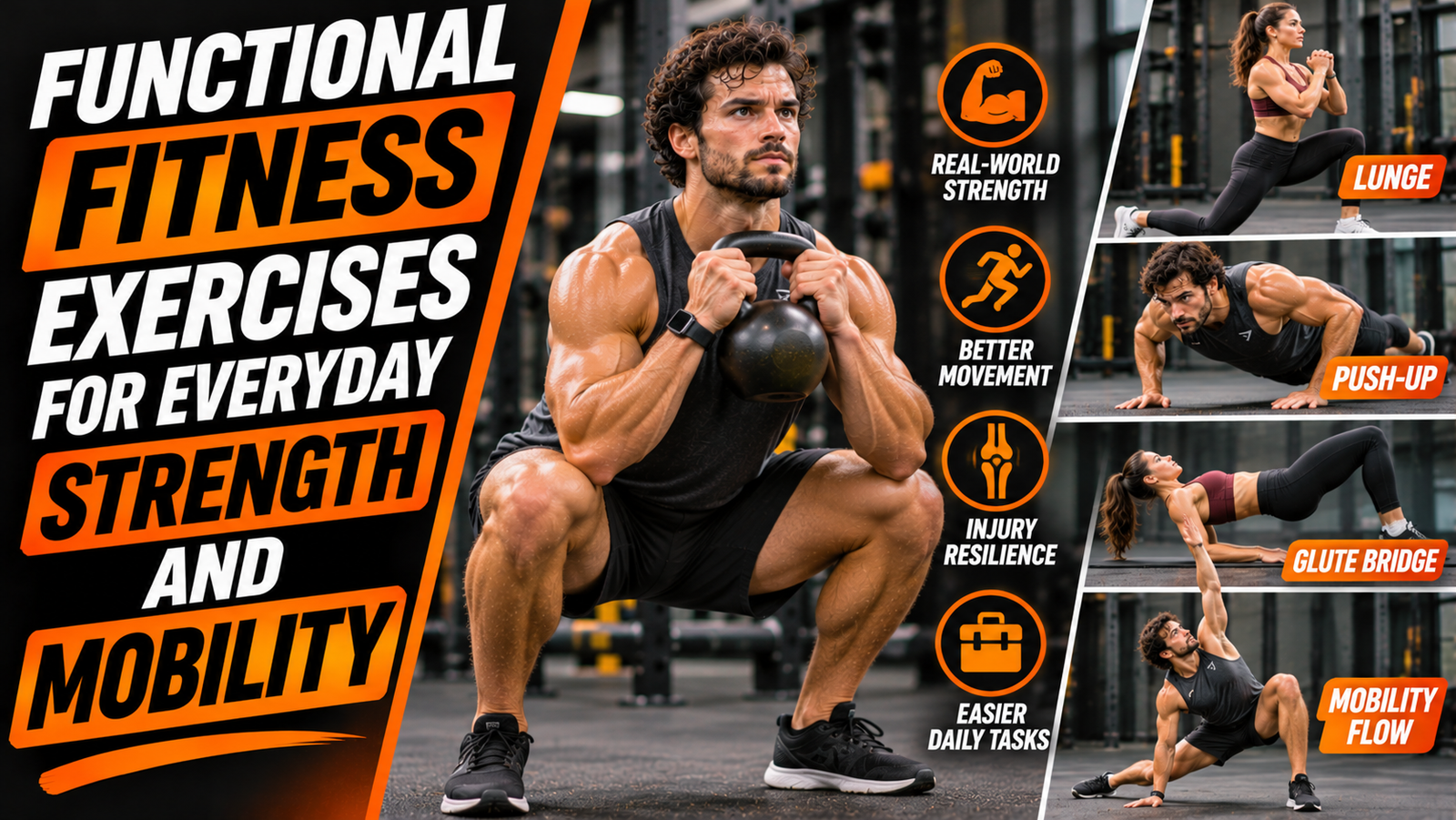
You can use exercises such as chair squats, wall push-ups, glute bridges, standing calf raises, and modified planks. Choose movements that match your current ability and focus on correct technique rather than speed.
How it works:
- Start with two or three short strength sessions per week.
- Practise each movement slowly and with control.
- Increase repetitions or sets gradually when the exercises feel manageable.
- Schedule recovery days between challenging sessions.
- Record completed workouts rather than judging progress by appearance alone.
Example weekly structure:
| Day | Activity |
|---|---|
| Monday | Full-body strength workout |
| Tuesday | Easy walk or gentle movement |
| Wednesday | Full-body strength workout |
| Thursday | Mobility or stretching |
| Friday | Full-body strength workout, if recovered |
| Saturday | Optional enjoyable activity |
| Sunday | Rest or gentle movement |
Repeat the structure for four weeks, adjusting the number of sessions to your fitness level and recovery.
Best for: People who want to develop a home workout habit with minimal equipment.
3. 30-Day Yoga Challenge
A virtual yoga challenge can help you establish a regular movement routine while practising balance, flexibility, breathing, and body awareness.
You can follow beginner-friendly online classes or use a simple sequence of comfortable poses. Start with short sessions and increase the duration only when you feel ready.
How it works:
- Begin with 5–10 minutes of gentle yoga.
- Practise basic movements and comfortable breathing.
- Alternate between gentle sessions and longer sessions as appropriate.
- Choose a consistent time, such as after waking up or before bed.
- Track completed sessions and how comfortable the routine feels.
Suggested weekly focus:
- Week 1: Learn a few basic poses and establish a routine.
- Week 2: Practise smooth transitions between poses.
- Week 3: Explore balance and mobility exercises suited to your ability.
- Week 4: Repeat your favourite sequence and reflect on your consistency.
Do not force a pose or compare your flexibility with other participants. Use modifications whenever needed.
Best for: Beginners, people who prefer low-impact movement, and anyone looking for a structured mind-body activity.
4. 30-Day Daily Movement Challenge
Not every fitness challenge needs to involve a formal workout. A daily movement challenge encourages participants to find small opportunities to move throughout the day.
This can be particularly useful for people who work at a desk, study for long hours, or have unpredictable schedules.
How it works:
- Take a short movement break during your workday.
- Walk while taking a phone call when practical.
- Use the stairs when appropriate and safe.
- Add a few minutes of gentle stretching between tasks.
- Record each day you complete your personal movement goal.
For example, your goal might be to take three short movement breaks during your workday. Someone else might choose a lunchtime walk or a brief mobility routine.
The goal is to make movement more regular, not to turn every free moment into exercise.
Best for: Office workers, students, remote workers, and people with limited time for structured workouts.
5. 30-Day Stretching and Mobility Challenge
A stretching challenge gives you a simple way to make mobility practice part of your routine. It can complement walking, strength training, cycling, yoga, or other activities.
How it works:
- Choose a short routine that targets areas you want to move more comfortably.
- Include gentle movements for your shoulders, hips, ankles, and upper back.
- Practise for 5–10 minutes on selected days.
- Avoid bouncing or forcing a stretch.
- Track completed sessions and note any movements that feel uncomfortable.
Example weekly plan:
| Week | Focus |
|---|---|
| Week 1 | Learn a short, comfortable mobility routine |
| Week 2 | Practise regularly and improve movement control |
| Week 3 | Add suitable movements for areas you want to work on |
| Week 4 | Build a repeatable routine you can continue after day 30 |
Stretching should feel manageable, not painful. If a movement causes sharp pain or unusual symptoms, stop and seek appropriate guidance.
Best for: People who want to add gentle movement to their day or complement another exercise routine.
6. 30-Day Cardio Challenge
A cardio challenge focuses on activities that raise your breathing and heart rate. Depending on your fitness level and preferences, these might include brisk walking, cycling, dancing, swimming, or low-impact aerobic workouts.
You do not have to perform high-intensity exercise to take part.
How it works:
- Select one or two cardio activities you enjoy.
- Begin with a duration and intensity that feel manageable.
- Schedule regular sessions throughout the week.
- Increase duration gradually if you are recovering well.
- Record the activity, time, and how challenging it felt.
For a beginner, a few short, comfortable sessions may be a better starting point than daily intense workouts. More experienced participants can choose a more demanding plan that still includes adequate recovery.
Best for: People who enjoy energetic activities and want a structured way to practise cardio consistently.
7. 30-Day Fitness Habit Challenge
Sometimes the hardest part of fitness is not choosing an exercise. It is remembering to do it consistently.
A fitness habit challenge focuses on creating a repeatable routine rather than chasing a particular performance target.
Choose one habit to practise for 30 days, such as:
- Taking a walk after lunch.
- Scheduling three workouts each week.
- Preparing workout clothes the night before.
- Doing a five-minute movement routine in the morning.
- Recording each completed exercise session.
- Setting a consistent reminder to move.
The key is to make the habit specific. Instead of writing “exercise more,” set a clear goal such as “walk for 10 minutes after lunch on weekdays.”
Allow room for missed days. One missed session does not erase your progress. Resume your routine when you can rather than trying to compensate with an excessively difficult workout.
Best for: Beginners, people rebuilding consistency, and anyone who struggles to maintain a regular exercise schedule.
8. 30-Day Team Fitness Challenge
Virtual fitness challenges become more engaging when participants can share progress and encourage one another.
A team challenge works well for friends, families, online communities, and workplace wellness groups. Participants can choose different activities while contributing to a shared goal.
Challenge ideas include:
- A group walking-minutes challenge.
- A team goal for completed workout sessions.
- A weekly yoga or mobility challenge.
- A daily movement-break challenge.
- A collective total of active minutes.
- A photo-free check-in where participants report their completed activity.
For example, a team of five people could aim to complete a combined 600 minutes of walking over one week. Each person contributes according to their schedule and ability.
Use shared spreadsheets, messaging groups, fitness apps, or a simple online leaderboard to record progress. Keep participation voluntary and avoid rewarding only the person who exercises the most.
Best for: Friends, families, remote teams, and communities that enjoy social accountability.
A Simple 30-Day Virtual Fitness Challenge Calendar for Beginners
If you are unsure which challenge to choose, start with a balanced plan that combines walking, strength exercises, gentle mobility, and recovery.
The following calendar is a general example, not a personalised exercise prescription. Adjust the activities, duration, and intensity to your current fitness level. Rest whenever you need to.
| Day | Suggested activity |
|---|---|
| Day 1 | Choose your goal and complete a comfortable walk |
| Day 2 | Try a short beginner-friendly strength session |
| Day 3 | Walk or complete another enjoyable light activity |
| Day 4 | Practise gentle stretching or mobility |
| Day 5 | Complete a comfortable walk |
| Day 6 | Try a short strength session if recovered |
| Day 7 | Rest or enjoy gentle movement |
| Day 8 | Repeat your walking routine |
| Day 9 | Complete a suitable strength workout |
| Day 10 | Take a movement break and go for a walk |
| Day 11 | Practise yoga or gentle mobility |
| Day 12 | Walk at a comfortable pace |
| Day 13 | Complete a strength session if recovered |
| Day 14 | Rest and review your first two weeks |
| Day 15 | Choose a walking or cardio activity you enjoy |
| Day 16 | Complete a suitable strength session |
| Day 17 | Walk or take several short movement breaks |
| Day 18 | Practise gentle stretching or yoga |
| Day 19 | Repeat your preferred cardio activity |
| Day 20 | Complete a strength session if recovered |
| Day 21 | Rest and record your progress |
| Day 22 | Continue your preferred walking routine |
| Day 23 | Complete a suitable strength workout |
| Day 24 | Try a fun activity, such as dancing or cycling |
| Day 25 | Practise gentle mobility |
| Day 26 | Walk or complete another comfortable cardio session |
| Day 27 | Repeat a workout you enjoy, if recovered |
| Day 28 | Rest or enjoy gentle movement |
| Day 29 | Review your completed sessions and favourite activities |
| Day 30 | Celebrate your consistency and choose your next goal |
Remember: You do not need to complete every activity exactly as written. If you are new to exercise, start with fewer sessions and build up gradually. If you already exercise regularly, adapt the schedule to your established routine.
The main goal is to finish the month with a realistic exercise habit you can continue.
How to Make Your Virtual Fitness Challenge More Engaging
A good challenge should be easy to follow, simple to track, and enjoyable enough to repeat. These practical ideas can help participants stay involved throughout the month.
Set Weekly Milestones
Divide the challenge into four smaller stages. For example, focus on getting started in week one, building consistency in week two, refining your routine in week three, and reviewing your progress in week four.
Weekly milestones make it easier to recognise progress without waiting until day 30.
Use a Shared Progress Tracker
A shared spreadsheet or online group can help participants record completed sessions, walking minutes, or movement breaks. Choose a tracking method that is quick to update.
Avoid collecting unnecessary personal information, and let participants decide what they are comfortable sharing.
Add Friendly Rewards
Celebrate milestones with non-food rewards such as a new playlist, a relaxing activity, a fitness accessory within your budget, or the chance to choose the next group activity.
Rewards should recognise participation and consistency rather than body size or weight changes.
Keep the Challenge Flexible
Allow participants to swap activities, modify exercises, or take rest days when needed. Flexibility helps accommodate different schedules, abilities, and fitness levels.
A challenge should encourage healthy routines—not create guilt when life gets busy.
Celebrate Progress Together
At the end of each week, invite participants to share one achievement, one activity they enjoyed, or one lesson they learned.
This simple practice shifts attention away from competition and towards personal improvement.
How to Stay Motivated During a 30-Day Virtual Fitness Challenge
Starting a fitness challenge can feel exciting, but maintaining that enthusiasm for 30 days can be difficult. Work commitments, family responsibilities, travel, and low-energy days can interrupt even the best plans.
The solution is to build a routine that does not depend entirely on motivation. Use these strategies to make your virtual fitness challenge easier to maintain.
1. Set a Realistic and Measurable Goal
Choose a goal that is specific enough to track and realistic for your current fitness level.
Instead of saying, "I want to get fitter," try goals such as:
- Complete three suitable workouts each week.
- Walk for 15 minutes on five days a week.
- Practise yoga for 10 minutes four times a week.
- Take regular movement breaks during the workday.
Your goal should fit your schedule and ability. You can always adjust it as your routine develops.
2. Schedule Your Workouts in Advance
Treat your planned exercise sessions like other appointments in your calendar.
Choose a time that works with your daily routine. Some people prefer exercising in the morning, while others find it easier to move during lunch breaks or in the evening.
If your schedule changes frequently, prepare a shorter alternative. For example, replace a planned 30-minute walk with a brief walk when time is limited.
A flexible plan is more useful than an ambitious plan you cannot maintain.
3. Find an Accountability Partner
An accountability partner can help you stay engaged when your motivation drops.
Ask a friend, family member, or colleague to join your challenge. You could exchange daily check-ins, share weekly achievements, or schedule a virtual workout together.
Keep the process supportive rather than competitive. Everyone has different starting points, schedules, and abilities.
4. Track Consistency, Not Just Performance
Progress is not limited to faster walking speeds, longer workouts, or heavier weights.
You can also track:
- Number of completed exercise sessions.
- Days you followed your planned routine.
- Walking or active minutes.
- Improvements in exercise technique.
- Activities that feel more comfortable over time.
- How consistently you make time for movement.
These measures help you recognise progress even when physical changes are not immediately noticeable.
5. Make Your Challenge Enjoyable
Choose activities you genuinely like. If you dislike running, you do not need to join a running challenge. Walking, dancing, cycling, yoga, and suitable home workouts can all form part of a virtual fitness challenge.
You can also refresh your routine by changing your playlist, exploring a different walking route, trying a new beginner-friendly class, or inviting a friend to join.
Enjoyment can make it easier to return to your routine week after week.
6. Prepare for Missed Days
Missing a workout does not mean you have failed.
Illness, travel, family responsibilities, and unexpected work can disrupt your schedule. Rather than abandoning the challenge, return to your plan when you are ready.
Avoid doubling your workout to compensate for missed sessions. If you need additional recovery, take it.
The purpose of a 30-day challenge is to develop a sustainable approach to exercise—not to achieve a perfect attendance record.
How to Track Your Virtual Fitness Challenge Progress
Tracking makes it easier to see whether your routine is working and which habits you can maintain after the challenge ends.
You do not need a paid fitness app or a smartwatch. A notebook, calendar, spreadsheet, or basic phone app can be enough.
Choose the Right Tracking Method
Your tracking method should match your challenge.
| Challenge type | What to track |
|---|---|
| Walking challenge | Walking minutes, distance, or steps |
| Strength challenge | Completed sessions, exercises, sets, and repetitions |
| Yoga challenge | Practice sessions and duration |
| Daily movement challenge | Movement breaks or active minutes |
| Stretching challenge | Completed routines and comfortable movement |
| Group challenge | Individual contributions and shared milestones |
| Fitness habit challenge | Days you completed your chosen habit |
Avoid tracking so many measurements that recording progress becomes a chore.
Use a Simple Daily Fitness Log
A basic fitness log could include four columns:
| Date | Planned activity | Completed? | Notes |
|---|---|---|---|
| Day 1 | 15-minute walk | Yes | Comfortable pace |
| Day 2 | Beginner strength session | Yes | Used easier variations |
| Day 3 | Gentle mobility | Yes | Short session |
| Day 4 | Walking session | No | Took a rest day |
This example shows that tracking can remain simple. You can record why you modified a session, but there is no need to explain every missed workout.
Review Your Progress Every Week
At the end of each week, ask yourself three questions:
- What went well? Identify the activities and routines you managed to complete.
- What was difficult? Consider scheduling problems, exercises that felt too challenging, or goals that were unrealistic.
- What will I change next week? Adjust your schedule, exercise selection, or targets where needed.
This review helps you make small improvements throughout the month instead of waiting until the challenge ends.
What Should You Do After Day 30?
Use your final day to review what you have learned.
Identify the activities you enjoyed most, the schedule you could maintain, and any habits you want to continue.
You might repeat the challenge, increase your activity gradually, join a suitable exercise class, or create a new monthly goal.
The best outcome of a 30-day virtual fitness challenge is a realistic routine you can continue beyond the challenge.
Safety Tips for Virtual Fitness Challenges
Virtual fitness challenges can make exercise more accessible, but online instructions are not automatically appropriate for everyone. Choose activities carefully and adjust them to your needs.
Start at Your Current Fitness Level
If you are new to exercise or returning after a long break, begin with manageable sessions. Increase duration, frequency, or intensity gradually rather than trying to match the most active person in your group.
You do not need to complete advanced workouts to benefit from establishing a regular movement routine.
Include Recovery Time
Exercise is only one part of a balanced routine. Plan rest days and alternate demanding sessions with lighter activities where appropriate.
If you experience persistent fatigue or soreness that does not improve, consider reducing your workload and seeking professional advice if needed.
Use Appropriate Exercise Technique
Follow guidance from qualified fitness professionals and choose modifications that suit your ability.
For bodyweight exercises, start with easier variations where necessary. Use stable furniture only when it is appropriate and safe for the movement, and keep your exercise area clear.
Do not continue a movement that causes sharp pain, dizziness, chest pain, or unusual shortness of breath. Seek appropriate medical help for concerning symptoms.
Stay Hydrated and Consider the Weather
If you exercise outdoors in India, account for heat, humidity, and air quality. Consider walking during cooler parts of the day, choosing shaded routes, or moving indoors when conditions are unsuitable.
Drink fluids regularly and pay attention to how you feel during exercise. Your hydration needs may vary with the activity, weather, and individual circumstances.
Adapt the Challenge to Your Needs
People with injuries, chronic health conditions, balance concerns, or other health considerations may need a modified routine. Consult a qualified healthcare professional when you are unsure which activities are appropriate.
Pregnant or postpartum participants should also choose exercise according to their circumstances and seek individual guidance when needed.
A virtual challenge should support your well-being. It should never pressure you to ignore pain, skip needed recovery, or exercise beyond your ability.
Frequently Asked Questions About Virtual Fitness Challenges
What is a virtual fitness challenge?
A virtual fitness challenge is an online activity in which individuals or groups work towards a shared or personal fitness goal. Participants can exercise from different locations and record their progress using fitness apps, online groups, spreadsheets, or activity trackers.
What are the best 30-day virtual fitness challenges for beginners?
Beginner-friendly options include walking, daily movement breaks, gentle yoga, stretching, and modified bodyweight workouts. Start with manageable goals and gradually adjust your routine as your fitness and confidence develop.
How do you organise a virtual fitness challenge?
Choose a clear goal, decide how long the challenge will last, set realistic participation guidelines, and select a simple progress-tracking method. Share the rules with participants, provide regular check-ins, and celebrate milestones. Make room for different abilities and schedules.
Do you need a fitness app to join a virtual workout challenge?
No. You can participate using a notebook, calendar, spreadsheet, messaging group, or basic phone timer. A fitness app can make tracking easier, but it is not essential for most simple challenges.
How can I stay motivated during a 30-day fitness challenge?
Set achievable goals, schedule workouts, track completed sessions, and find an accountability partner. Choose activities you enjoy and plan how you will handle busy days. If you miss a session, resume your routine rather than giving up.
Can I do a virtual fitness challenge at home?
Yes. Many challenges can be completed at home with little or no equipment. Options include yoga, stretching, bodyweight exercises, indoor walking, dancing, and short movement breaks. Choose a clear exercise area and activities that match your fitness level.
Are virtual fitness challenges effective?
They can help people establish routines by providing clear goals, progress tracking, and social accountability. However, results depend on factors such as the challenge design, consistency, individual circumstances, and the suitability of the activities. Participation alone does not guarantee a specific fitness or weight-related outcome.
How many days a week should I exercise during a 30-day challenge?
It depends on your fitness level, chosen activities, and recovery needs. A beginner might start with a few structured sessions each week and add comfortable daily movement. More experienced participants may follow a different schedule. Include recovery and adjust the plan when necessary.
Can I join a virtual fitness challenge with friends?
Yes. Friends can share walking goals, completed workouts, active minutes, or weekly milestones through a messaging group or shared tracker. Choose a goal that allows everyone to participate at a comfortable level, and focus on encouragement rather than comparison.
What should I do after completing a 30-day fitness challenge?
Review your progress, identify the activities you enjoyed, and choose a realistic routine to continue. You can repeat the challenge, modify it, or set a new goal. Maintaining a manageable routine is generally more useful than immediately switching to an unnecessarily demanding programme.
Conclusion: Build a Fitness Routine That Lasts Beyond 30 Days
Virtual fitness challenges offer a practical way to make exercise more structured, engaging, and social. Whether you choose a walking challenge, a home strength programme, a yoga routine, or a daily movement goal, you can adapt the experience to your schedule and fitness level.
Start with one clear goal, track your progress, and make room for rest and flexibility. If you join a group challenge, encourage other participants and remember that everyone progresses differently.
You do not need expensive equipment or a perfect daily routine to get started. Choose a manageable activity, commit to your first session, and build from there.
Ready to get started? Choose one of the 30-day virtual fitness challenges above, write down your goal, and schedule your first session today. At the end of the month, review what worked and create a realistic plan to keep moving.
SEO Keyword Usage Notes
Use the primary keyword naturally throughout the article. Avoid repeating it in every section or forcing it into sentences where it does not belong.
Primary keyword
- virtual fitness challenges
Secondary keywords
- 30-day fitness challenge
- online fitness challenge
- virtual workout challenges
- fitness challenges for beginners
- home fitness challenge
- 30-day workout plan
Related semantic keywords
- walking challenge
- home workout routine
- group fitness challenge
- fitness motivation
- daily movement goals
- workout progress tracker
- exercise accountability
- beginner-friendly fitness plan
Recommended On-Page SEO Practices
- Include the primary keyword in the SEO title, H1, introduction, and at least one relevant subheading where it reads naturally.
- Use the secondary keywords in relevant sections rather than inserting all of them into one paragraph.
- Keep paragraphs short and use descriptive headings to improve readability.
- Add a table of contents if the article is published on a long-form blog.
- Use descriptive alt text for the featured image and any supporting images.
- Link to related content on your website where it genuinely helps readers.
- Keep health and fitness claims realistic, specific, and appropriately qualified.
Suggested Internal Links
Link to relevant articles on your own website if these pages exist:
| Suggested anchor text | Recommended destination |
|---|---|
| Beginner's home workout routine | An article about starting exercise at home |
| Walking workout plan for beginners | A guide to walking duration, pace, and progression |
| Benefits of strength training | An evidence-informed strength-training guide |
| Beginner-friendly yoga routine | A guide to starting yoga |
| How to stay motivated to exercise | An article about exercise consistency and habit building |
Use the actual URLs of your published pages. Do not create internal links to pages that do not exist.
Suggested Authoritative External Links
These reputable resources can support readers who want more information about physical activity and exercise safety:
- World Health Organization: Physical Activity — General information about physical activity and public-health recommendations.
- NHS: Exercise — Practical guidance and information about exercising safely.
Review each destination before publishing to ensure it remains relevant to the claims in your article.
Stop reading, start moving
Reading about training is the easy part. Fifteen minutes today beats a fortnight of research - and all of it is free.
Start Free